 Kiplinlen
Baldurs Gate 3 Endings: How the Branching Actually Works
2 min read
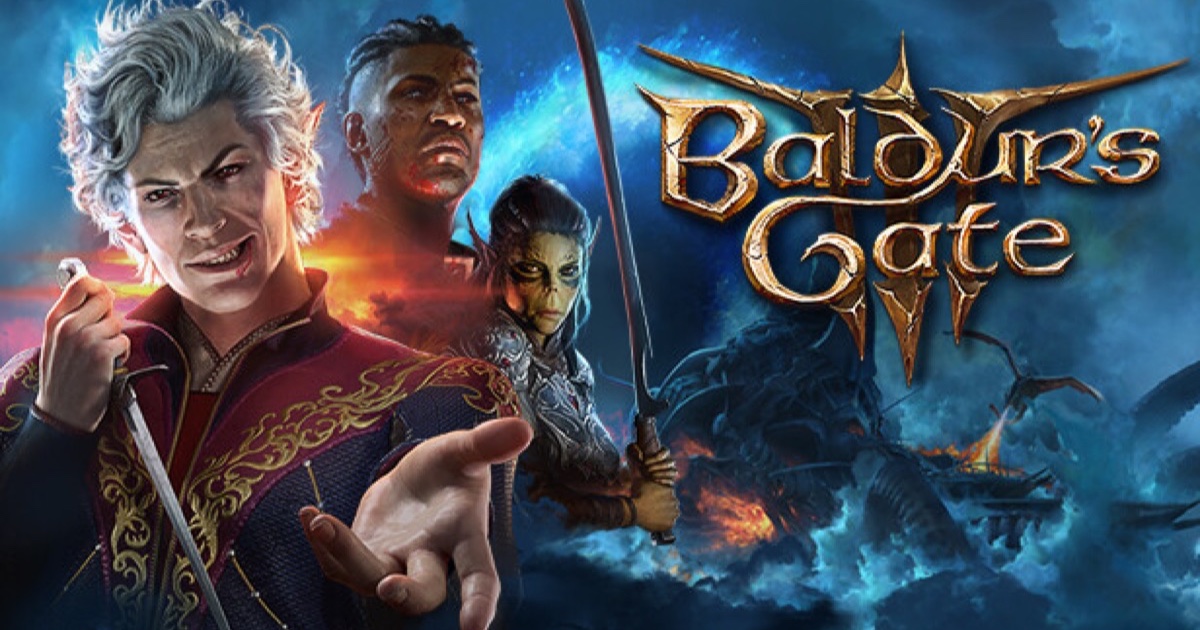
There is no menu of named endings to pick from. One choice near the very end forks everything, and your companions fill in the rest.
Baldurs Gate 3 endings do not work like a list of discrete, named outcomes you tick off one by one. The game builds one major fork near the finale and layers your entire playthrough's choices on top of it.
The fork: control or destroy
After the Netherbrain is weakened, you choose to either seize control of it or destroy it outright. That single decision splits the rest of the game into two structurally different finales, not just two different cutscenes.
If you take control
Control branches further depending on who ends up holding it — the Emperor, or your own character. From there, the specific ending reflects the direction you push: conquering other worlds, pacifying everyone into compliant slaves, wiping people out, or letting chaos run. Each origin companion (Astarion, Gale, Lae'zel, Karlach, Shadowheart, Wyll) also has their own exclusive version of this path if you played as them.
If you destroy it instead
Destroying the brain leads into a shared epilogue on the docks, but the content of that epilogue is personal to your save: companion-specific resolution scenes (Astarion regaining his vulnerability to sunlight, Gale settling what happens to the Crown of Karsus, Karlach's condition catching up with her), separate romance wrap-up scenes if you romanced anyone, and individual companion departures — Lae'zel's fate around Orpheus, Karlach potentially heading to Avernus, and so on.
Why two playthroughs rarely look alike
Because so much of the actual ending content is companion- and choice-driven rather than a fixed cutscene, the honest way to see more of it is a second playthrough with a different party and different decisions — there is no ending select screen to shortcut that.