 Kiplinlen
The Witcher 3: Blood and Wine — What to Know Before You Start
2 min read
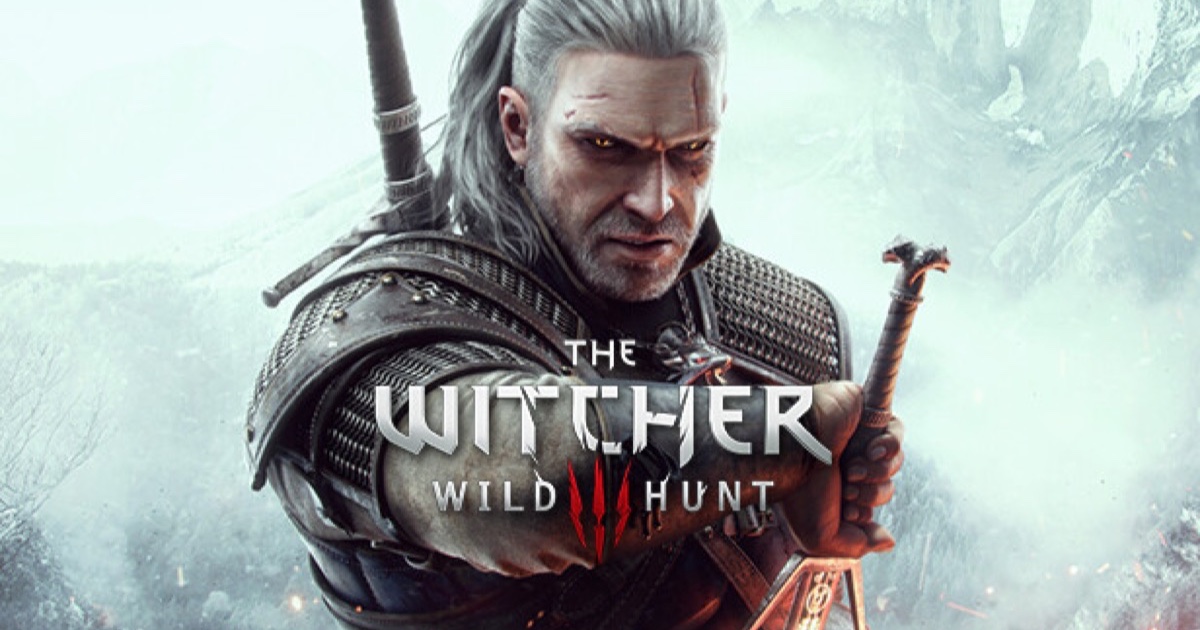
The larger of the two expansions, set in a duchy the war never touched. Here is what it adds and when it makes sense to start it.
The Witcher 3 Blood and Wine, released 31 May 2016, is the second and larger of the two story expansions, and it was built to feel like its own game rather than a bolt-on.
The setting
Geralt travels to Toussaint, a Nilfgaardian duchy the war never reached — sunlit vineyards and a walled city standing in deliberate contrast to the grey of Velen and Novigrad. He is hired to hunt a beast terrorising the region, and the investigation opens into a much bigger mystery than a monster contract.
What it adds
- A new region roughly the size of Novigrad and Velen combined.
- A late-game mutation system, letting you slot rare mutagens for build- changing passive bonuses.
- A house you can renovate and staff.
- A full new story arc with its own cast, separate from the main plot.
When to start it
The game gates the quest behind a level requirement well into the mid-30s, and it is written to work best after — or very late into — the main story, so the difficulty holds up rather than trivialising the new content.
Reception
It won Best Role-Playing Game at The Game Awards 2016, and is still widely rated as one of the best expansions ever shipped for an RPG.